
Blog
Ưu điểm của sắc ký khí là nó có thể tách và phân tích hỗn hợp của nhiều thành phần. Tuy nhiên, do có nhiều chất có thể được sử dụng để phân tích sắc ký nên thời gian xuất hiện các pic sắc ký của các thành phần khác nhau trên cùng một pha tĩnh có thể giống nhau, do đó khó có thể mô tả đặc tính của các chất chưa biết chỉ dựa trên các pic sắc ký. Đối với một mẫu chưa biết, trước tiên chúng ta phải hiểu nguồn gốc, bản chất và mục đích phân tích của nó; trên cơ sở này, chúng ta có thể ước tính sơ bộ mẫu; và sau đó sử dụng một phương pháp nhất định để tiến hành nhận dạng định tính dựa trên các chất nguyên chất đã biết hoặc dữ liệu tham chiếu định tính sắc ký có liên quan. Vui lòng xem phần sau:
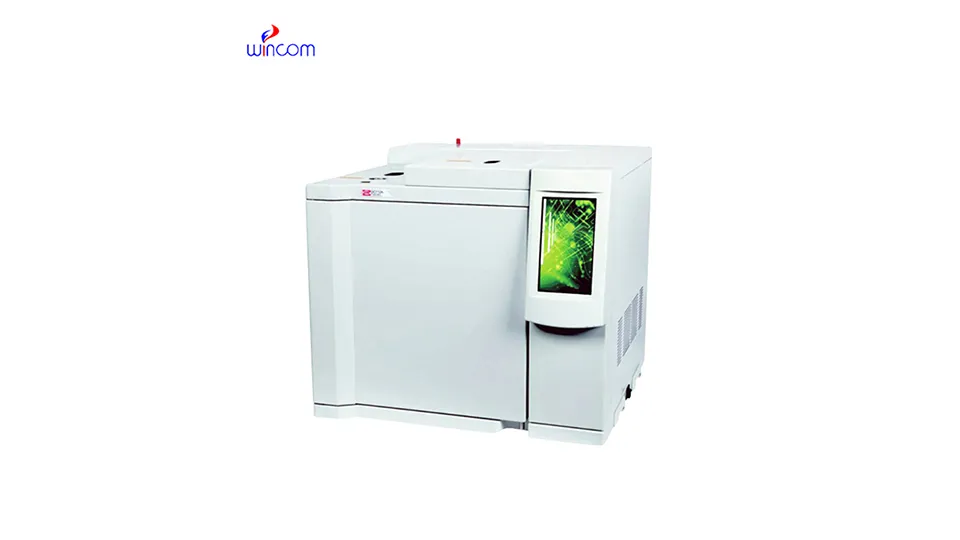
Các mẫu có thể được phân tích trực tiếp bằng GC thường là chất khí hoặc chất lỏng. Các mẫu rắn phải được hòa tan trong dung môi thích hợp trước khi phân tích và đảm bảo rằng mẫu không chứa các thành phần (như muối vô cơ) không thể phân tích bằng GC, có thể làm hỏng các thành phần của cột sắc ký. Bằng cách này, khi nhận được một mẫu không xác định, chúng tôi phải hiểu nguồn gốc để ước tính các thành phần mà mẫu có thể chứa và phạm vi điểm sôi của mẫu. Nếu hệ thống mẫu đơn giản và các thành phần mẫu có thể bay hơi thì có thể phân tích trực tiếp. Nếu có các thành phần trong mẫu không thể phân tích trực tiếp bằng GC hoặc nồng độ mẫu quá thấp thì phải tiến hành tiền xử lý cần thiết, chẳng hạn như hấp phụ, phân tích, chiết, cô đặc, pha loãng, tinh chế, tạo dẫn xuất và các phương pháp khác để xử lý mẫu.
Cái gọi là cấu hình thiết bị đề cập đến thiết bị phun mẫu nào, khí mang nào, cột sắc ký nào và máy dò nào được sử dụng để phân tích mẫu.
Nói chung, loại máy dò phải được xác định trước tiên. Máy dò FID thường được chọn cho hydrocarbon, và máy dò ECD dễ dàng lựa chọn cho các chất chứa nhiều nhóm âm điện hơn (F, Cl, v.v.) và hàm lượng hydrocarbon ít hơn; khi yêu cầu độ nhạy phát hiện không cao hoặc có thành phần không chứa hydrocacbon thì có thể chọn máy dò TCD; đối với các mẫu chứa lưu huỳnh và phốt pho, có thể chọn máy dò FPD.
Đối với các mẫu chất lỏng, bạn có thể chọn phương pháp phun đệm màng và các mẫu khí có thể sử dụng van sáu chiều hoặc phương pháp phun giải hấp nhiệt hấp phụ. Sắc ký tổng quát chỉ cấu hình phương pháp bơm màng đệm, vì vậy các mẫu khí có thể được phân tích bằng phương pháp phun màng đệm phân tích hấp phụ-dung môi.
Chọn các cột sắc ký phù hợp theo đặc tính của các thành phần cần kiểm tra và thường tuân theo quy tắc tương tự và tương thích. Chọn cột không phân cực khi tách các chất không phân cực và chọn cột phân cực khi tách các chất phân cực. Sau khi xác định cột sắc ký, nhiệt độ làm việc của cột sắc ký được xác định theo sự chênh lệch hệ số phân bố của các thành phần cần thử trong mẫu. Phương pháp đẳng nhiệt được áp dụng cho các hệ thống đơn giản và phương pháp nhiệt độ được lập trình được áp dụng để phân tích cho các hệ thống phức tạp có sự khác biệt lớn về hệ số phân bố.
Các khí mang thường được sử dụng là hydro, nitơ, heli, v.v. Hydro và heli có trọng lượng phân tử nhỏ và thường được sử dụng làm khí mang cho sắc ký cột đóng gói; nitơ có trọng lượng phân tử lớn và thường được sử dụng làm khí mang cho sắc ký khí mao quản; helium được sử dụng làm khí mang cho phép đo phổ khối sắc ký khí.
Khi mẫu đã sẵn sàng và cấu hình thiết bị được xác định, quá trình phân tách thử nghiệm có thể bắt đầu. Tại thời điểm này, các điều kiện tách ban đầu phải được xác định, chủ yếu bao gồm thể tích phun, nhiệt độ cổng phun, nhiệt độ máy dò, nhiệt độ cột và tốc độ dòng khí mang. Thể tích tiêm được xác định dựa trên nồng độ mẫu, dung lượng cột và độ nhạy của máy dò. Khi nồng độ mẫu không vượt quá 10mg/mL, thể tích bơm của cột đóng gói thường là 1- 5uL, trong khi đối với cột mao quản, nếu tỷ lệ phân chia là 50:1 thì thể tích bơm thường không vượt quá 2uL. Nhiệt độ của cổng tiêm chủ yếu được xác định bởi phạm vi điểm sôi của mẫu và nhiệt độ vận hành của cột sắc ký cũng phải được xem xét. Về nguyên tắc, nhiệt độ tại cổng phun cao hơn sẽ có lợi, thường gần với điểm sôi của thành phần có điểm sôi cao nhất trong mẫu, nhưng thấp hơn nhiệt độ dễ phân hủy.
Mục đích của việc tối ưu hóa các điều kiện tách là đạt được kết quả phân tách cần thiết trong thời gian phân tích ngắn nhất. Khi mục đích phân tách cơ sở không thể đạt được bằng cách thay đổi nhiệt độ cột và tốc độ dòng khí mang, nên thay thế cột sắc ký dài hơn hoặc thậm chí cột sắc ký bằng pha tĩnh khác, vì trong GC, cột sắc ký là chìa khóa cho sự thành công của quá trình phân tách.
Cái gọi là nhận dạng định tính là để xác định sự phân bổ của các đỉnh sắc ký. Đối với các mẫu đơn giản, chúng có thể được mô tả bằng vật liệu chuẩn. Nghĩa là, trong cùng điều kiện sắc ký, bơm riêng mẫu chuẩn và mẫu thực và xác định pic nào trên sắc ký đồ là thành phần cần phân tích theo giá trị lưu giữ. Cần lưu ý rằng các hợp chất khác nhau có thể có cùng giá trị lưu giữ trên cùng một cột, do đó chỉ sử dụng một dữ liệu lưu giữ để xác định định tính các mẫu chưa biết là không đủ. Phương pháp định tính chỉ số lưu giữ hai cột hoặc nhiều cột đáng tin cậy hơn trong GC, vì xác suất các hợp chất khác nhau có cùng giá trị lưu giữ trên các cột khác nhau nhỏ hơn nhiều. Phương pháp sắc ký khí khối phổ có thể được sử dụng khi điều kiện cho phép.
Cần phải xác định phương pháp định lượng nào sẽ sử dụng để xác định hàm lượng của thành phần cần kiểm tra. Các phương pháp định lượng sắc ký thường được sử dụng không gì khác hơn là phương pháp phần trăm diện tích pic (chiều cao pic), phương pháp chuẩn hóa, phương pháp chuẩn nội, phương pháp chuẩn ngoài và phương pháp thêm chuẩn (còn gọi là phương pháp xếp chồng). Phương pháp phần trăm diện tích pic (chiều cao pic) là đơn giản nhất nhưng kém chính xác nhất. Phương pháp này chỉ mang tính tùy chọn nếu mẫu bao gồm các mẫu tương đồng hoặc chỉ dùng để định lượng sơ bộ. Để so sánh, phương pháp chuẩn nội có độ chính xác định lượng cao nhất vì nó định lượng bằng cách sử dụng giá trị phản hồi liên quan đến chuẩn (gọi là chuẩn nội), được thêm vào mẫu chuẩn và mẫu chưa biết tương ứng, do đó có thể bù đắp các lỗi do biến động trong điều kiện vận hành (bao gồm cả thể tích tiêm). Đối với phương pháp thêm chuẩn, chất chuẩn của chất cần kiểm tra được thêm định lượng vào một mẫu chưa biết, sau đó phép tính định lượng được thực hiện dựa trên mức tăng diện tích pic (hoặc chiều cao pic). Quy trình chuẩn bị mẫu tương tự như phương pháp chuẩn nội nhưng nguyên tắc tính toán hoàn toàn bắt nguồn từ phương pháp chuẩn ngoại. Độ chính xác của đại lượng pháp luật bổ sung chuẩn phải nằm giữa phương pháp chuẩn nội và phương pháp chuẩn ngoài.
Cái gọi là xác minh phương pháp là để chứng minh tính thực tiễn và độ tin cậy của phương pháp đã phát triển. Tính thực tiễn thường đề cập đến việc liệu tất cả các cấu hình thiết bị được sử dụng có thể được mua dưới dạng hàng hóa hay không, liệu phương pháp xử lý mẫu có đơn giản và dễ vận hành hay không, thời gian phân tích có hợp lý hay không và liệu chi phí phân tích có được các đối tác ngang hàng chấp nhận hay không. Độ tin cậy bao gồm phạm vi định lượng tuyến tính, giới hạn phát hiện, độ thu hồi của phương pháp, độ lặp lại, độ tái lập và độ chính xác.
E-mail: [email protected]
Điện thoại: +86-731-84176622
+86-731-84136655
Địa chỉ: Rm.1507,XinsanThành Plaza. Số 58, Đường Renmin(E), Trường Sa, Hồ Nam, Trung Quốc


 EN
EN
 af
af
 es
es
 ar
ar
 tr
tr
 sw
sw
 pt
pt
 th
th
 ur
ur
 bn
bn
 ne
ne
 vi
vi
 km
km
 lo
lo
 de
de
 ru
ru
 fi
fi
 nl
nl
 fa
fa
 fr
fr
 ko
ko


