
Blog
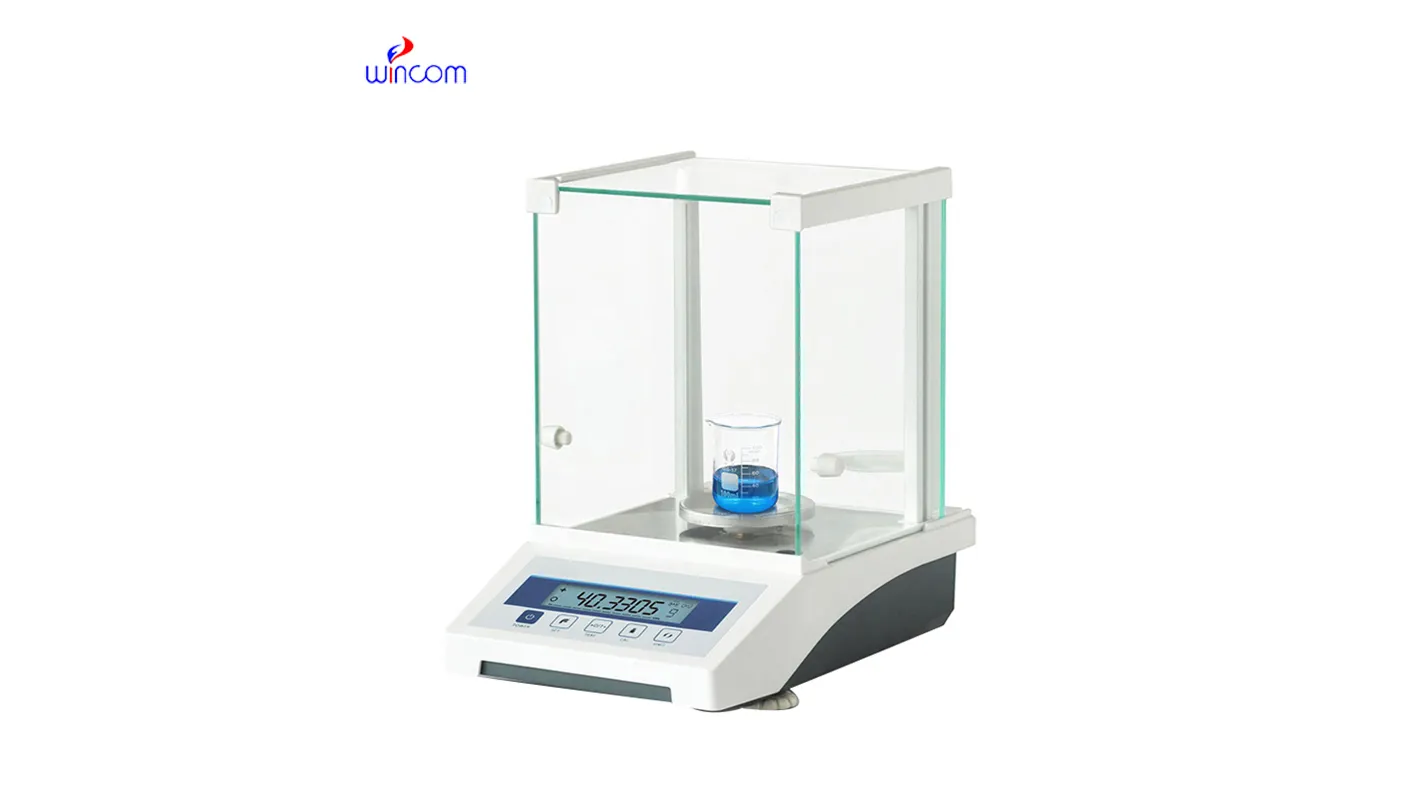
Giữa các phòng thí nghiệm khác nhau, thiết kế của phòng cân thường khác nhau do thiếu tiêu chuẩn thống nhất. Vì vậy, làm thế nào để có thể thiết kế một phòng cân bằng vừa thiết thực vừa phù hợp với quy định? Chìa khóa nằm ở cách bố trí hợp lý dựa trên cấp độ và yêu cầu về độ chính xác của cân. Đối với các cân có giá trị chia độ từ 0,1 mg đến 0,01 mg, việc đặt chúng trên bệ chống sốc là đủ để đáp ứng nhu cầu. Tuy nhiên, đối với các loại cân có độ chính xác cao có giá trị chia độ nhỏ hơn 0,002 mg, chẳng hạn như cân vi lượng, ngoài các biện pháp chống sốc, nhiều yếu tố như duy trì nhiệt độ và độ ẩm không đổi, ngăn bụi và bảo vệ khỏi ánh nắng trực tiếp cũng phải được xem xét.
Do chi phí cao của cân điện tử có độ chính xác cao và thực tế là dữ liệu của họ dễ bị ảnh hưởng bởi các yếu tố môi trường, việc đảm bảo tính chính xác của chúng là vô cùng quan trọng. Khi xác định các yếu tố ảnh hưởng tiềm ẩn, mọi yếu tố đều cần được xem xét càng nhiều càng tốt. Ví dụ, luồng không khí có tác động đáng kể đến độ ổn định của cân, vì vậy phòng cân cần được trang bị hệ thống điều hòa không khí chuyên dụng. Ngoài ra, để tránh sai lệch dữ liệu do ánh nắng trực tiếp gây ra, phòng cân thường được thiết kế trong phòng hướng về phía Bắc.
Tiếp theo, chúng ta sẽ đi sâu vào một số nguyên nhân phổ biến dẫn đến sự mất ổn định của cân.
Thời gian làm nóng trước của cân không đủ. Thời gian làm nóng trước khác nhau đối với các loại cân khác nhau, nhưng thường phải mất ít nhất nửa giờ hoặc hơn.
Biến động điện áp. Mặc dù các phòng thí nghiệm hiện đại thường được trang bị bộ ổn áp, điện áp không ổn định vẫn có thể ảnh hưởng đến hiệu suất của cân.
Khay được lắp đặt không ổn định. Việc điều chỉnh lại hướng hoặc vị trí của khay có thể giải quyết vấn đề này một cách hiệu quả.
Vật thể lạ đã xâm nhập. Mẫu đang được cân đã lọt vào bên trong cân, điều này có thể cản trở hoạt động bình thường của cân.
Rối loạn môi trường bên ngoài. Rung động, tiếng ồn, thay đổi luồng không khí cũng như sự dao động về nhiệt độ và độ ẩm, tất cả đều có thể ảnh hưởng đến sự cân bằng.
Kết quả cân có thể dao động một cách tự nhiên. Khả năng lặp lại của cân cho phép xảy ra một phạm vi sai số nhất định, đây là hiện tượng bình thường.
Đặc điểm mẫu. Các mẫu hấp thụ độ ẩm hoặc bay hơi có thể khiến kết quả cân không ổn định.
Loại bỏ chính xác các yếu tố này là chìa khóa để đảm bảo cân hoạt động liên tục và ổn định.
E-mail: [email protected]
Điện thoại: +86-731-84176622
+86-731-84136655
Địa chỉ: Rm.1507,XinsanThành Plaza. Số 58, Đường Renmin(E), Trường Sa, Hồ Nam, Trung Quốc


 EN
EN
 af
af
 es
es
 ar
ar
 tr
tr
 sw
sw
 pt
pt
 th
th
 ur
ur
 bn
bn
 ne
ne
 vi
vi
 km
km
 lo
lo
 de
de
 ru
ru
 fi
fi
 nl
nl
 fa
fa
 fr
fr
 ko
ko


