
Its superior optics enhance observation precision with crisp, high-resolution images at every magnification. Its durable construction resists frequent use in the classroom and professional environments. The variable brightness and focusing adjustments make the Stereo Microscope distributer suitable for many types of specimens, from biological tissues to industrial samples. Optional digital accessories extend its functionality with high-resolution imaging, data storage, and analytical interface with modern research systems.

Applications of the Stereo Microscope distributer cross into different spheres. It enables disease diagnosis by examining tissue sample and blood smears in medicine. In materials science, the Stereo Microscope distributer is employed to examine crystal structures, coatings, and composites. In life sciences research, it is used in visualization of cell morphology, patterns of growth, and intracellular action. The Stereo Microscope distributer also offers quality inspection for production with precision in semiconductor fabrication and microfabrication. It is used in museums and conservation laboratories to examine pigments and fibers in artifacts from ancient times.

Future technology is revolutionizing the future of the Stereo Microscope distributer, focusing on automation, high speed, and visualization. New-generation models will be provided with sophisticated image-processing algorithms to process information in real time. The Stereo Microscope distributer will likely utilize adaptive optics for improved imaging at higher magnifications, both to the advantage of biological and materials research. Handheld and portable versions will become standard, bringing microscopic study to the location. With growing demands for sustainability, energy-saving Stereo Microscope distributer versions will also run laboratories worldwide.
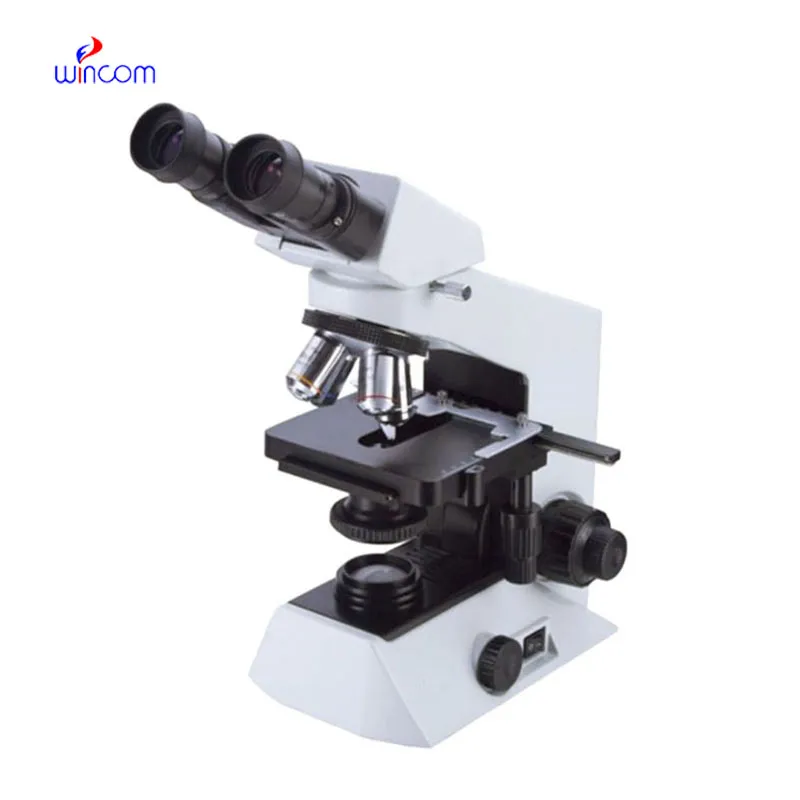
Preventive maintenance ensures the Stereo Microscope distributer operate reliably for years. Clean all glass surfaces gently to avoid abrasion. Moving parts, including the stage and focusing devices, need to be cleaned for dust and adjusted to run smoothly. The Stereo Microscope distributer need to be placed on a vibration-free surface so that internal alignment is not compromised. Power cords and switches also need to be checked so that no electrical damage is caused. Periodic servicing by an expert keeps the optical components centered and in balance precisely.
The Stereo Microscope distributer bridges the visible and invisible by rendering small particles and organisms visible. Using a lens system and controlled light, the Stereo Microscope distributer enables scientists and students to study samples with utmost precision. It has diverse applications in medicine, biology, electronics, and quality control. Digital and fluorescence forms extend study accuracy, simplifying visualization and data recording in most areas of science.
Q: What is a microscope used for? A: A microscope is used to magnify tiny objects or structures, allowing detailed observation of cells, microorganisms, and materials that are invisible to the naked eye. Q: How often should a microscope be calibrated? A: To maintain measurement accuracy and ensure accurate focus during research or analysis, regular calibration should be performed, typically once or twice a year. Q: What type of light source is commonly used in a microscope? A: Most modern microscopes use LED or halogen light sources, which provide stable light and adjustable brightness for clear images at a wide range of magnifications. Q: Can a microscope be connected to a computer? A: Yes, many microscope models feature USB or HDMI ports that allow image capture and digital display through specialized imaging software. Q: How should a microscope be stored when not in use? A: A microscope should be covered with a dust shield and stored in a cool, dry location to prevent contamination and protect optical components from humidity.
This ultrasound scanner has truly improved our workflow. The image resolution and portability make it a great addition to our clinic.
The centrifuge operates quietly and efficiently. It’s compact but surprisingly powerful, making it perfect for daily lab use.
To protect the privacy of our buyers, only public service email domains like Gmail, Yahoo, and MSN will be displayed. Additionally, only a limited portion of the inquiry content will be shown.
Hello, I’m interested in your water bath for laboratory applications. Can you confirm the temperat...
We’re currently sourcing an ultrasound scanner for hospital use. Please send product specification...
E-mail: [email protected]
Tel: +86-731-84176622
+86-731-84136655
Address: Rm.1507,Xinsancheng Plaza. No.58, Renmin Road(E),Changsha,Hunan,China


 EN
 af
 es
 ar
 tr
 sw
 pt
 th
 ur
 bn
 ne
 vi
 km
 lo
 de
 ru
 fi
 nl
 fa
 fr
 ko