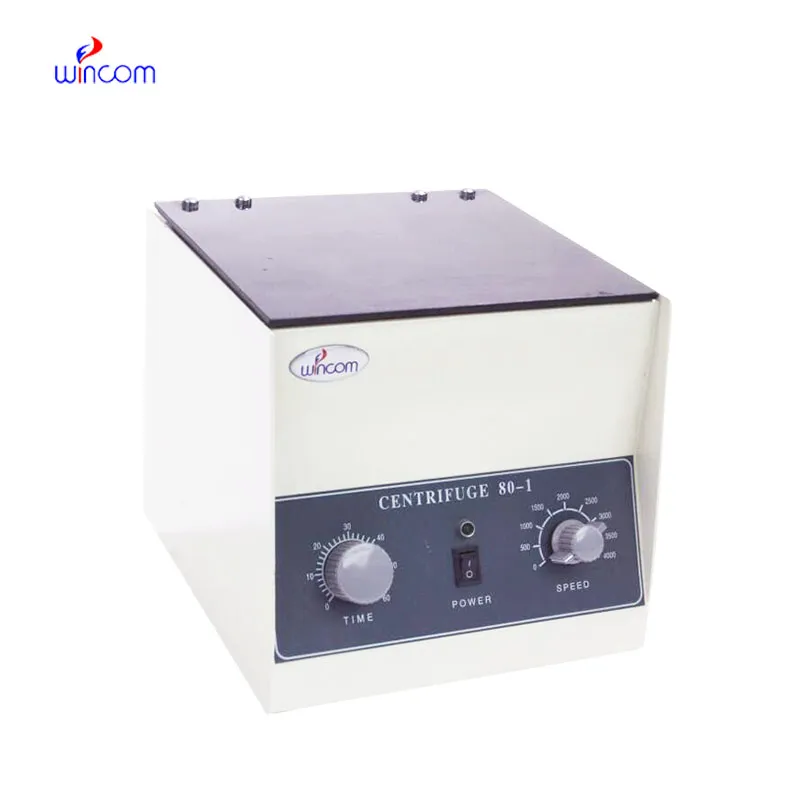
blood collection tube are specifically designed tubes that keep the blood samples safe during the collection, transport, and testing phases. They come with pre-measured additives like anticoagulants or clot activators, which are specifically made for certain laboratory tests. In hospitals, these tubes are used a lot for both routine diagnostics and specialized testing, thus assuring sample stability and avoiding contamination. Their colored caps and uniform sizes make it easier to identify and manage them. By offering reliable performance, blood collection tube are playing a very important role in increasing the accuracy and reliability of hematology, biochemistry, and immunology analyses thus they have become a must in laboratory workflows and clinical diagnostic practices.

blood collection tube are the standard in critical care for the collection of blood for essential monitoring, namely, arterial blood gases, electrolyte analysis, and coagulation studies. Rapid and precise collection is vital in the treatment decision-making process for patients who are critically ill. The vacuum-based collection method reduces the risks of handling and at the same time keeps the sample intact while being transferred to the laboratory analyzers. Correct tube selection for each test type is guaranteed by color coding. The use of blood collection tube in the ICU workflow not only allows the hospitals to carry out a continuous and high-quality monitoring process but also helps in minimizing errors and supporting life-saving clinical interventions for the patients who have complicated medical conditions.

In hospital research centers, blood collection tube could change to be able to assist special tests that need very carefully preserved samples for high-level studies in genetics, proteomics, or metabolomics. In the future, the tubes might have stabilizers in them which make the very sensitive substances in the samples not to be degraded even during transport or storage. The automatic labeling and tracking systems will be the ones that guarantee sample traceability and laboratory standards compliance. Sample traceability and compliance with laboratory standards will be assured by automated labeling and tracking systems. The hospitals and laboratories will experience fewer pre-analytical mistakes and better reproducibility. The future blood collection tube will be the main factor of precise, fast, and trustworthy clinical and research testing workflows through the combination of technology innovation, better chemical stabilization, and automated system compatibility.

blood collection tube routine maintenance procedures are primarily concerned with handling and environmental conditions rather than mechanical maintenance. To keep the tubes sterile, laboratories must guarantee that they are not opened until they are required. The tubes should not be exposed to moisture, dust, or chemical vapors. To reduce the risk of cross-contamination, hospital personnel must strictly adhere to the established protocols for disposal after each use. Cleaning and monitoring of storage areas for temperature stability should be done regularly. By providing controlled conditions and consistently applying handling procedures, healthcare institutions will be able to maintain the dependability of blood collection tube all through their projected usage life cycle.
blood collection tube serve as the primary instruments in the laboratory of hospitals that guarantee safe and efficient blood sample collection. They are made to prevent sample degradation, and very often, depending on the tests, they come pre-filled with anticoagulants or clot activators. The tubes are color-coded and sized in a standard way to prevent confusion in identification. In hospital settings, proper use of blood collection tube leads to precise laboratory outcomes and at the same time, cuts down the risk of contamination. These tubes are indispensable in the hands of laboratory professionals and phlebotomists during a variety of diagnostic procedures, ranging from the simple complete blood count to the complex biochemical tests, thereby making them an integral part of hospital diagnostic workflows.
Q: What is a Blood Collection Tube used for? A: A Blood Collection Tube is used to collect and preserve blood samples for laboratory testing in hospitals and clinical laboratories. Q: Why do Blood Collection Tubes have different cap colors? A: The various colors of the caps show the specific additives that are meant for different diagnostic tests. Q: Are Blood Collection Tubes sterile? A: Absolutely, these tubes are produced in very tight sterile environments to keep them contamination-free. Q: Can Blood Collection Tubes be reused? A: The tubes are disposable and per patient use only, which is a measure to keep the patient safe and ensure the accuracy of the test. Q: How should Blood Collection Tubes be stored before use? A: Blood Collection Tubes should be stored in a recommended temperature range that is clean and dry.
The microscope delivers incredibly sharp images and precise focusing. It’s perfect for both professional lab work and educational use.
The water bath performs consistently and maintains a stable temperature even during long experiments. It’s reliable and easy to operate.
To protect the privacy of our buyers, only public service email domains like Gmail, Yahoo, and MSN will be displayed. Additionally, only a limited portion of the inquiry content will be shown.
Hello, I’m interested in your water bath for laboratory applications. Can you confirm the temperat...
Could you share the specifications and price for your hospital bed models? We’re looking for adjus...
E-mail: [email protected]
Tel: +86-731-84176622
+86-731-84136655
Address: Rm.1507,Xinsancheng Plaza. No.58, Renmin Road(E),Changsha,Hunan,China


 EN
EN
 af
af
 es
es
 ar
ar
 tr
tr
 sw
sw
 pt
pt
 th
th
 ur
ur
 bn
bn
 ne
ne
 vi
vi
 km
km
 lo
lo
 de
de
 ru
ru
 fi
fi
 nl
nl
 fa
fa
 fr
fr
 ko
ko