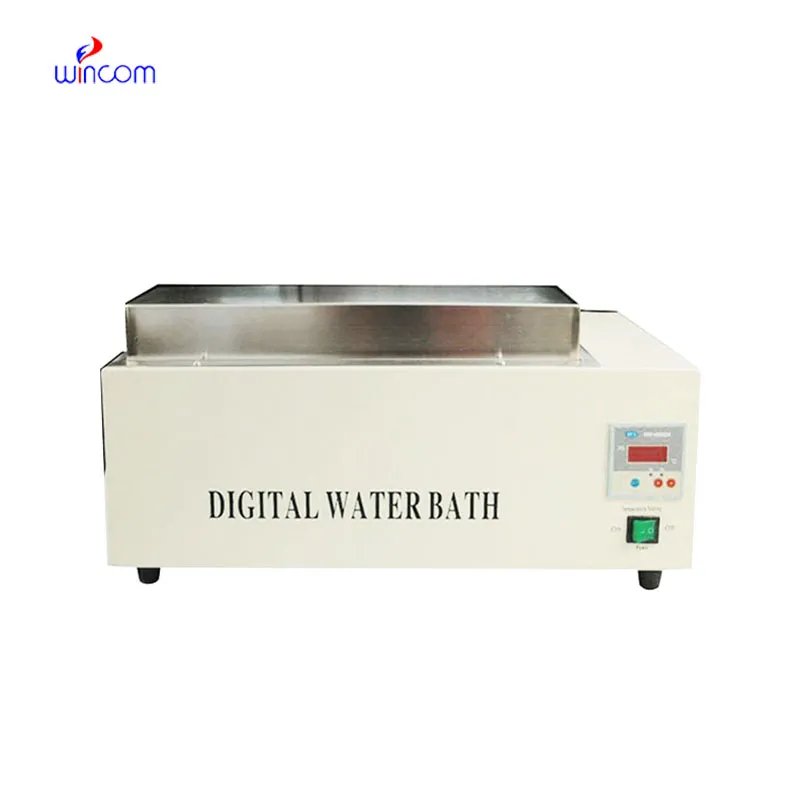
The functional design of home oxygen concentrators puts emphasis on the stability of oxygen generation and control over its delivery. By removing oxygen from the ambient air, it guarantees an uninterrupted flow that is fit for therapeutic medical uses. This is the design hospitals use to provide respiratory therapy without having to frequently change the equipment. Its controlled functioning conforms to the clinical protocols in all wards and treatment rooms. This description makes it clear that the device is a reliable source of oxygen in healthcare institutions.

home oxygen concentrators finds its applications in hospital laboratories where medical research and testing are carried out to supply oxygen in a controlled manner. The researchers utilize the device to control the oxygen level exactly for their experiments with biological samples. The continual oxygen concentration helps to get the same results and correct observation. The device boosts the laboratory's efficiency by supplying unremitting oxygen without the need for manual refilling. This particular case opens up the whole idea of the device being used in the medical field that goes far beyond direct patient care.
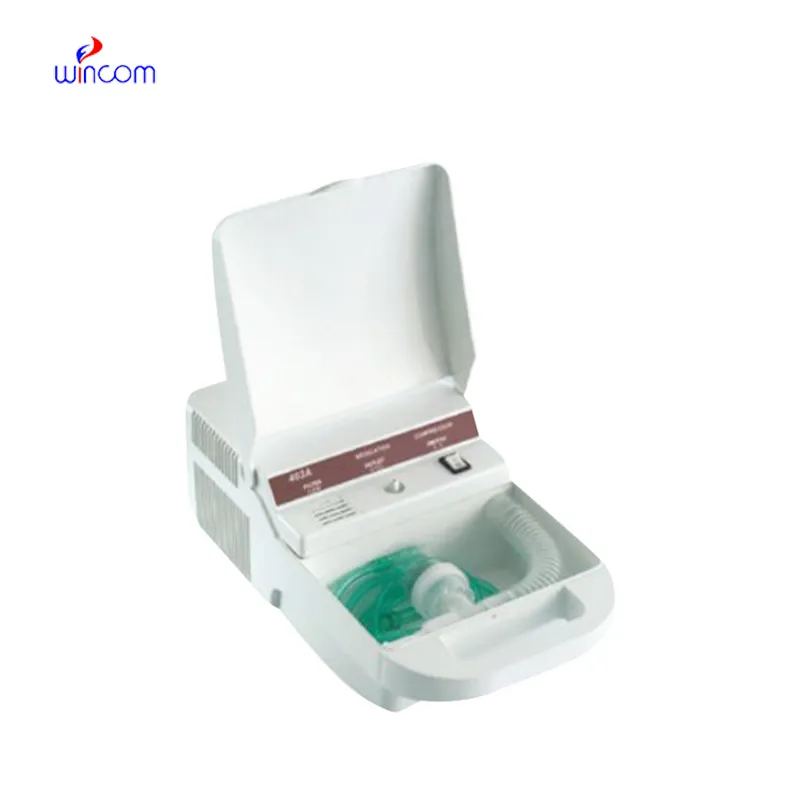
It is anticipated that the future of home oxygen concentrators in infectious disease units will include advanced contamination control features. Better filtration and sealed airflow systems might enable the application of more rigorous hygiene rules. These hospitals could possibly be the ones that get the most out of these advancements. The developments are in line with the new standards of infection control. {Keywords} is a product that one can expect to evolve along with the healthcare settings as they face new challenges.
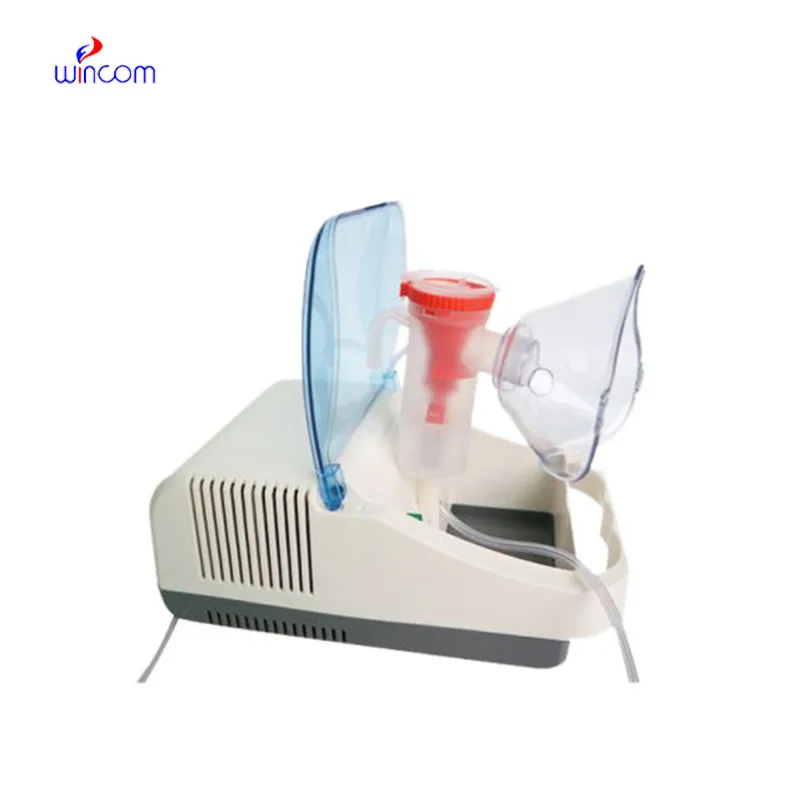
home oxygen concentrators involves the attention of both the internal and external parts in order to keep performance uniform. Cleaning the outside of the machine with hospital-grade disinfectants stops contamination from happening. The internal units like compressors and concentrator beds should have periodic inspections by trained technicians. Electrical systems along with the backup circuits should be checked at regular intervals so that service interruptions do not occur. All these maintenance strategies ensure that oxygen is continuously available in wards, recovery rooms, and outpatient clinics. Hospitals gain a lot from these routines in the form of lower rates of unplanned downtime and the ability to provide patient care under safe and stable operating conditions.
home oxygen concentrators is a medical device that is commonly used in hospitals for patients with respiratory diseases to get continuous oxygen supply. It uses the ambient air to take out oxygen and then gives the concentrated oxygen at controlled flow rates. In hospitals, this device is used in wards, ICU, and recovery rooms where a stable supply of oxygen is a must. The usage of home oxygen concentrators over the traditional oxygen cylinders allows uninterrupted operation without replacement of the cylinders. Its usage leads to improved work efficiency of medical staff and guarantees availability of oxygen for patient care across different departments in the hospital.
Q: How often should an Oxygen Concentrator be cleaned? A: Daily disinfection of external surfaces should be done, and filters should be cleaned or replaced based on the manufacturer’s recommendation. Q: Can it be used during patient transport within the hospital? A: With the help of portable models, oxygen can be delivered in corridors or between departments, thus ensuring patient safety during transportation. Q: What safety features are included? A: The devices come with alarms that signal low oxygen output, power failure, or mechanical problems. Q: Does it require electricity to operate? A: The answer is yes, most models are dependent on electricity, but some have backup systems for safe and continuous operation. Q: Can the device operate continuously for long periods? A: The answer is yes, because it is made for continuous hospital use with regular monitoring and maintenance.
The hospital bed is well-designed and very practical. Patients find it comfortable, and nurses appreciate how simple it is to operate.
The delivery bed is well-designed and reliable. Our staff finds it simple to operate, and patients feel comfortable using it.
To protect the privacy of our buyers, only public service email domains like Gmail, Yahoo, and MSN will be displayed. Additionally, only a limited portion of the inquiry content will be shown.
Could you share the specifications and price for your hospital bed models? We’re looking for adjus...
We’re currently sourcing an ultrasound scanner for hospital use. Please send product specification...
E-mail: [email protected]
Tel: +86-731-84176622
+86-731-84136655
Address: Rm.1507,Xinsancheng Plaza. No.58, Renmin Road(E),Changsha,Hunan,China


 EN
 af
 es
 ar
 tr
 sw
 pt
 th
 ur
 bn
 ne
 vi
 km
 lo
 de
 ru
 fi
 nl
 fa
 fr
 ko