The structure of vacuum blood collection tube has been improved to suit both clinical and laboratory applications. Sealing, sterilization, and pre-added substances keep blood samples in their most stable form. Besides, they are used in hospitals for several purposes such as preventing clotting, keeping cellular components alive, and facilitating accurate diagnostic tests. The standardization of their sizes and the color-coded caps used for them help in easy identification and also minimize pre-analytical errors. The integration of vacuum blood collection tube with laboratory instruments like centrifuges and analyzers results in improved workflow and reliable results. These tubes are indispensable in both hospitals and research laboratories as they help maintain the accuracy and efficiency of the processes.

vacuum blood collection tube find their application in pediatric departments for accommodating small-volume blood collections which are the major consideration for making children and infants. The volume is pre-calibrated during the design of the tubes which guarantees the delivery of the right sample volume and thus there is little or no risk of over- or under-collection. The intended use of the tubes includes hematology and biochemistry tests as the additives inside them keep the samples intact by preventing clotting or degradation. Lab staff cannot do without vacuum blood collection tube in their work as they are meant for automated processing and centrifugation. Once these tubes are used in pediatric care, hospitals are able to obtain very accurate diagnostic results and keep patients comfortable at the same time, reduce handling errors, and ensure safe and reliable blood collection for this sensitive patient population.
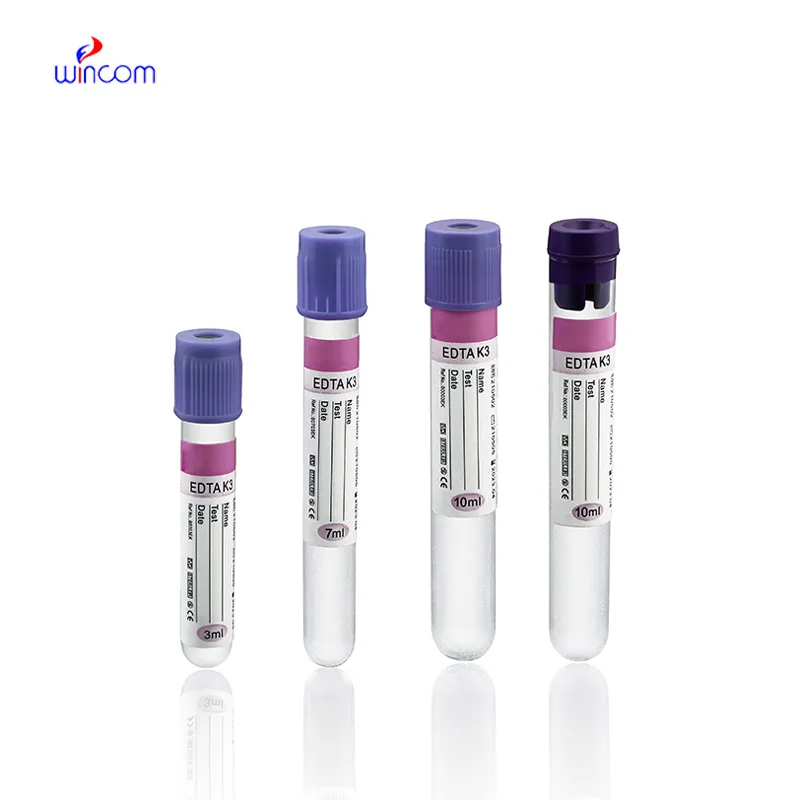
The evolution of vacuum blood collection tube will surely bring small and light designs for field hospitals, mobile clinics, or decentralized laboratory testing. Tubes will likely be improved with better ventilation to withstand harsh temperatures and rough handling during transport, thus providing reliable sample collection even out of the classic hospital settings. These tubes might be given to hospitals for emergency or community testing programs. Advanced pre-measured additives and color-coded identification will preserve accuracy even in non-traditional settings. Future vacuum blood collection tube will feature already mentioned characteristics plus compatibility with automated analysis systems ensuring flexible clinical as well as research workflows.

In order to keep vacuum blood collection tube in their best state, it is necessary to have cooperation between supply management and laboratory operations. The storage of tubes must be done either vertically or in a manner that is recommended to keep the additives distributed. Heating and cooling should not be done at hospitals for long periods unless so specified. Proper labeling and stock rotation minimize the chances of using outdated products. The use of gloves and clean working surfaces is advised during handling. All these maintenance practices assure that vacuum blood collection tube do not lose their performance characteristics, thus allowing laboratories to produce accurate and reproducible results.
In outpatient clinics, vacuum blood collection tube are used to take blood samples for laboratory tests that are performed routinely, including cholesterol levels, glucose monitoring, and hormone panels, among others. The tubes' pre-measured additives help to get uniform results and at the same time, lessen the handling errors. Clinic employees are relying on the performance of these tubes as being dependable for both short-term and long-term patient monitoring. The correct application of vacuum blood collection tube keeps each sample intact while being transported to hospital laboratories. Their ease of use, uniformity, and compatibility with laboratory analyzers come together to make them an essential tool in everyday clinical practice and patient diagnostics.
Q: What additives are found in Blood Collection Tubes? A: Additives may include anticoagulants, clot activators, or gel separators depending on test requirements. Q: How do Blood Collection Tubes support accurate testing? A: They preserve blood components and prevent degradation during transport and processing. Q: Are Blood Collection Tubes compatible with automated analyzers? A: Yes, most tubes are designed to work with modern laboratory automation systems. Q: Why is proper tube selection important in hospitals? A: Using the correct tube ensures reliable test results and reduces pre-analytical errors. Q: Do Blood Collection Tubes have expiration dates? A: Yes, expiration dates ensure additives remain effective and safe for use.
The centrifuge operates quietly and efficiently. It’s compact but surprisingly powerful, making it perfect for daily lab use.
This ultrasound scanner has truly improved our workflow. The image resolution and portability make it a great addition to our clinic.
To protect the privacy of our buyers, only public service email domains like Gmail, Yahoo, and MSN will be displayed. Additionally, only a limited portion of the inquiry content will be shown.
Hello, I’m interested in your centrifuge models for laboratory use. Could you please send me more ...
We’re interested in your delivery bed for our maternity department. Please send detailed specifica...
E-mail: [email protected]
Tel: +86-731-84176622
+86-731-84136655
Address: Rm.1507,Xinsancheng Plaza. No.58, Renmin Road(E),Changsha,Hunan,China


 EN
 af
 es
 ar
 tr
 sw
 pt
 th
 ur
 bn
 ne
 vi
 km
 lo
 de
 ru
 fi
 nl
 fa
 fr
 ko